Uncovering the historical evolution of gambling practices across cultures
The Ancient Origins of Gambling
The roots of gambling can be traced back thousands of years, deeply embedded in ancient civilizations. Archaeological findings suggest that early forms of gambling emerged in Mesopotamia around 3000 BCE, where dice made from animal bones were used for entertainment and fortune-telling. These primitive games laid the foundation for more complex betting practices. Similarly, ancient Chinese texts reference the use of tiles for gambling, hinting at an organized approach to risk and chance. For more insights on this topic, visit https://danatepper.com/.
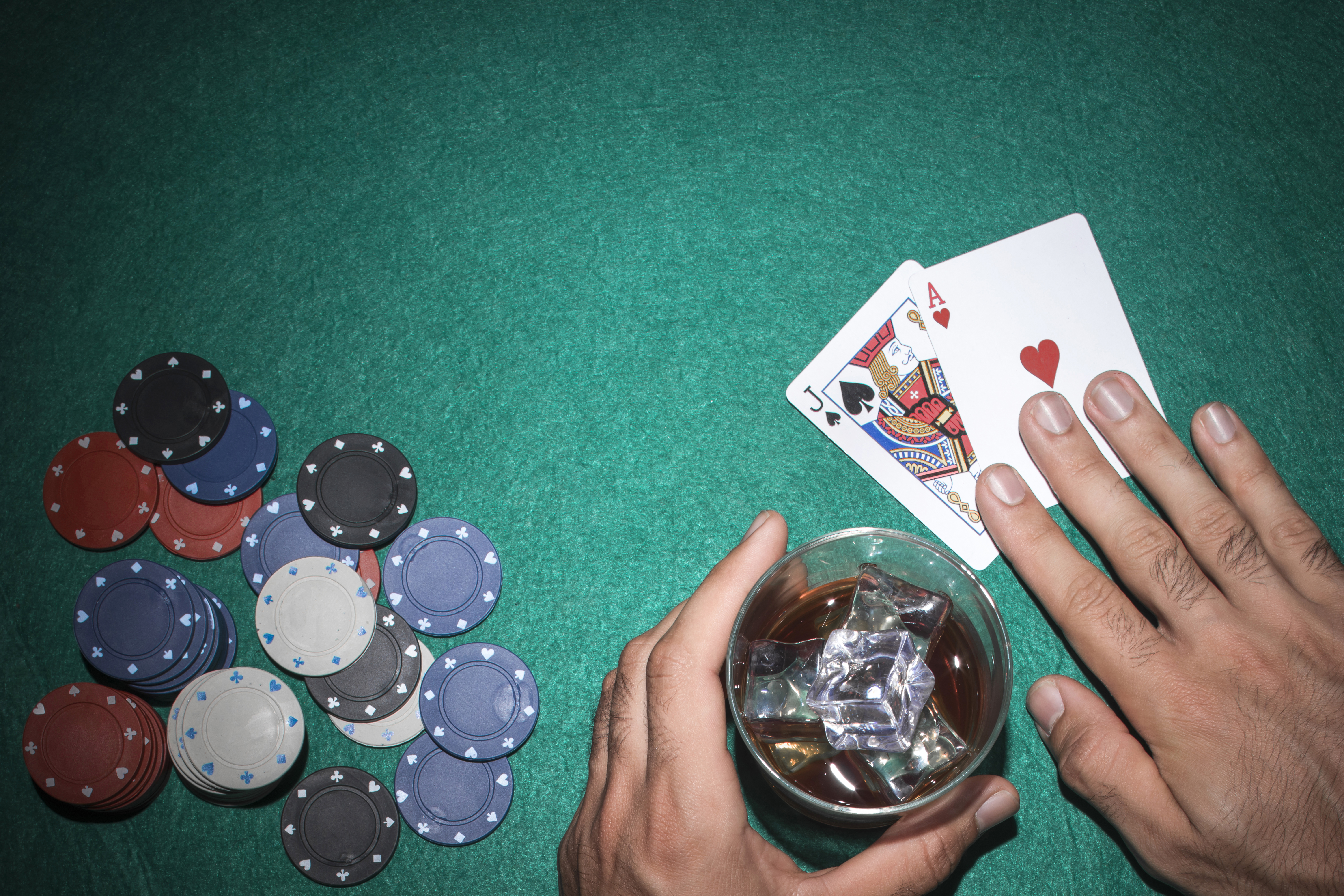
In ancient Rome, gambling became a popular pastime among all social classes. Romans used wooden dice and participated in betting on gladiatorial contests and chariot races. This period not only popularized gambling but also contributed to the evolution of various games that would later influence modern gambling. The Romans’ embrace of chance reflected societal attitudes towards fate and fortune, emphasizing the cultural significance of gambling throughout history.
The cultural evolution of gambling can also be seen in ancient Egypt, where games of chance were played with both physical tokens and betting. The combination of chance and strategy in these games often mirrored the complexities of life itself. Through the centuries, these practices not only entertained but also provided a method for social bonding, illustrating how gambling transcended mere games to become a vital aspect of ancient life across various cultures.
Gambling in Medieval and Renaissance Times
The Middle Ages saw a transformation in gambling practices, influenced by the rise of the feudal system in Europe. Knights and nobility frequently engaged in gambling, which was often associated with honor and bravery. Games like chess and backgammon were not only sources of entertainment but also served as training for strategy and combat. This period marked a refinement in gambling etiquette and the establishment of informal gambling houses, which laid the groundwork for more structured betting venues.
The Renaissance brought a renewed interest in games of chance, with the introduction of card games that became immensely popular across Europe. Originating in China, playing cards spread to the West, adapting to local cultures and preferences. The emergence of casinos during this period indicated a significant shift in gambling’s societal perception, from a noble pastime to an established form of entertainment accessible to the masses. This democratization of gambling reflects the evolving social dynamics of the time.
During this era, gambling was often intertwined with emerging economic systems, and the rise of banks facilitated more sophisticated betting practices. This connection between gambling and finance illustrated the growing acceptance of risk-taking behaviors. As societies transitioned towards a more capitalist framework, gambling became not only a form of recreation but also a metaphor for economic ventures, further embedding it into cultural narratives across Europe.
The Global Spread of Gambling Practices
The age of exploration in the 16th and 17th centuries enabled gambling practices to spread globally, influenced by the movement of people and ideas. Colonizers brought their gambling customs to the Americas, where indigenous populations adopted and adapted these practices. The integration of various cultural approaches to gambling led to a rich tapestry of gaming experiences, with unique local variations emerging from global influences.
In Asia, countries like Japan developed their own gambling traditions, such as the game of Pachinko, which combined elements of chance and skill. Meanwhile, in India, traditional games like Teen Patti and Andar Bahar became widely popular, illustrating the diverse ways cultures engage with chance. This global diffusion of gambling practices highlights how cultural exchange has continuously shaped the evolution of gaming, forging connections between disparate societies through the common thread of risk.
The late 19th and early 20th centuries saw the establishment of regulated gambling in various parts of the world. As governments recognized the potential for tax revenue, they began to license and regulate casinos and lotteries. This formalization of gambling practices not only provided legitimacy but also contributed to the development of responsible gaming laws, reflecting a growing understanding of the psychological aspects of gambling behavior.
The Psychology of Gambling: Understanding Player Motivation
The psychology behind gambling is intricate and multifaceted, influenced by various cognitive and emotional factors. Players are often driven by the thrill of risk and the potential for reward, leading to behaviors that can sometimes become compulsive. Research has indicated that the excitement associated with uncertain outcomes can trigger dopamine release, creating a sense of euphoria that reinforces gambling behavior. This connection between gambling and psychological reward highlights the complexity of human motivation.
Moreover, social factors play a crucial role in shaping gambling habits. The communal aspects of gaming, such as participating in poker nights or visiting casinos with friends, can enhance the enjoyment and increase the likelihood of repeated engagement. However, this social acceptance can also mask problematic behavior, making it imperative to understand the underlying motivations behind gambling activities. Awareness and education about the psychological components of gambling are essential for fostering responsible gaming practices.
Furthermore, the accessibility of online gambling has introduced new psychological dynamics. The convenience of online platforms allows players to gamble at any time, potentially leading to increased impulsivity. The anonymity associated with online gambling can also diminish the perceived consequences, prompting some players to gamble more than they would in a physical setting. As gambling continues to evolve, understanding the psychology behind player behavior will be vital in developing effective measures for harm reduction and promoting healthier gambling habits.
Exploring Modern Gambling Trends and Responsible Gaming
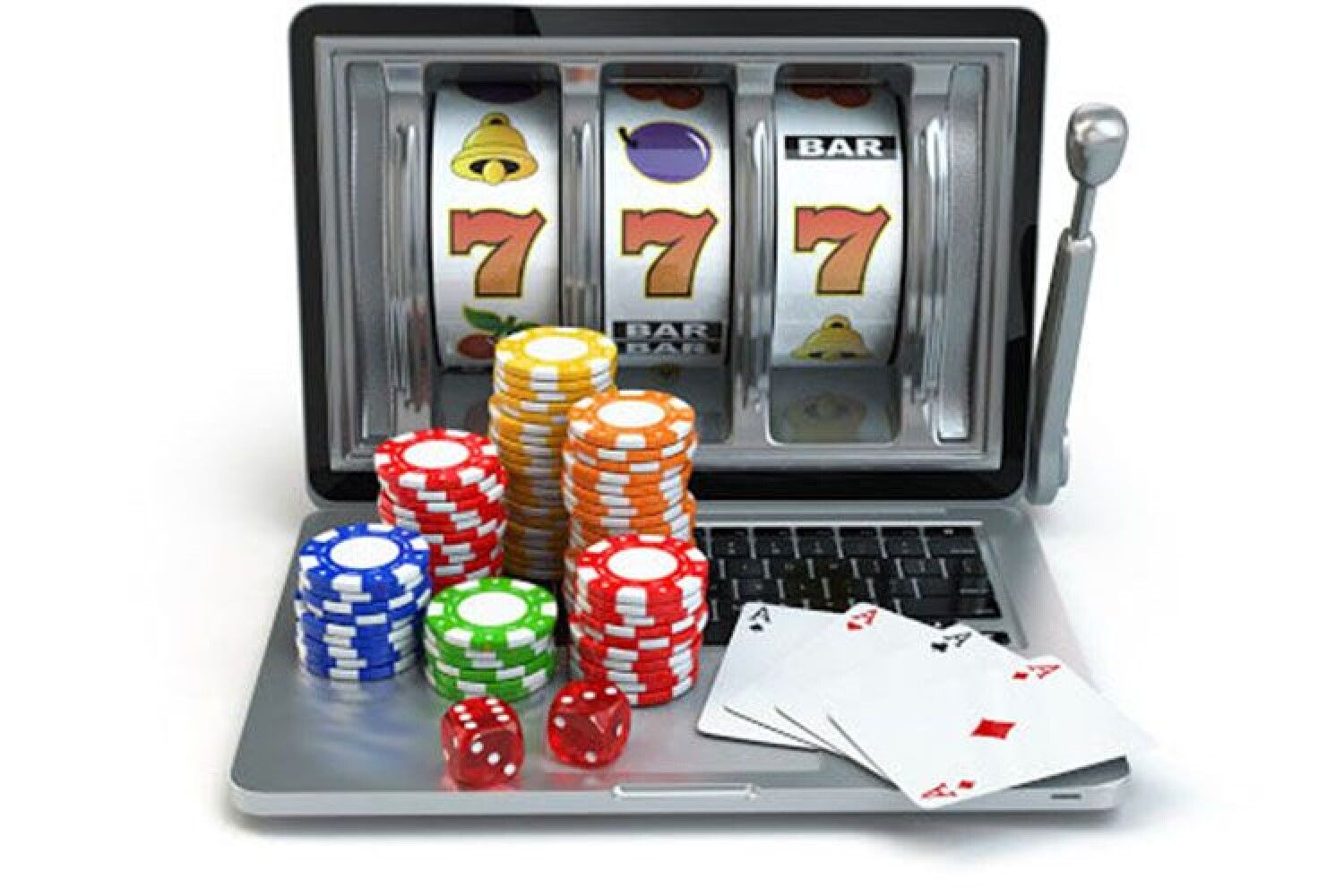
In today’s digital age, gambling has undergone a significant transformation with the advent of online casinos and mobile gaming applications. This shift has not only expanded access to gambling but has also introduced innovative gaming experiences that cater to a tech-savvy audience. Modern platforms offer an array of games, from traditional card games to immersive virtual reality experiences, reshaping how players engage with gambling. The global reach of online gambling has created a diverse marketplace that continues to evolve rapidly.
As the landscape of gambling changes, so too does the necessity for responsible gaming initiatives. Educational programs and support services have emerged to help individuals recognize and manage gambling-related issues. Many online platforms now incorporate features that promote responsible gaming, such as self-exclusion options and setting limits on deposits. These measures are crucial in fostering a safe gaming environment, emphasizing the importance of awareness and accountability among players.
With ongoing discussions surrounding the ethics of gambling and its societal impacts, the future of gambling practices remains a topic of great interest. As technology advances, the challenge lies in balancing innovation with responsible practices, ensuring that the enjoyment of gambling does not come at the cost of player well-being. Understanding the historical evolution of gambling can provide valuable insights into navigating these modern challenges, ultimately promoting a healthier relationship with gaming across cultures.
Comentários